

Where to Buy Leg Pressure Bands: 2026 Buying Guide
Table of Contents
- Where to Buy Leg Pressure Bands: Retailers Compared
- Leg Compression Wraps vs Pressure Bands vs Pneumatic Devices
- How to Choose a Leg Compression Wrap: A Buyer's Checklist
- Alternatives to Compression Socks for Restless Legs During Sleep
- Shopping for Leg Compression Products Online: Price, Fit, and Returns
- Safety, Contraindications, and When to Ask a Professional
- Conclusion: Matching the Purchase to Your Routine
- Frequently Asked Questions
Last Updated: October 15, 2026
Where to Buy Leg Pressure Bands: Retailers Compared
Finding where to buy leg pressure bands comes down to three paths: drugstores and big-box retailers for hands-on browsing, online marketplaces for the widest selection, and brand stores for products you cannot find on a shelf.
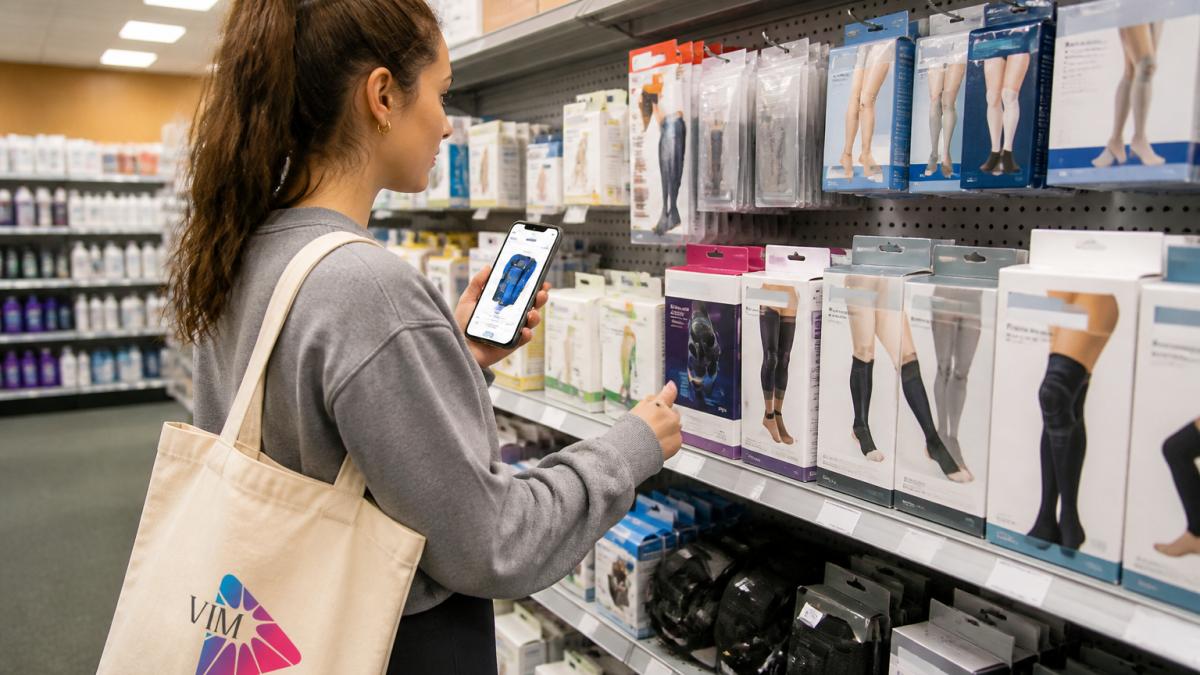
Most shoppers assume every leg product works the same way. It does not.
Below, the differences are broken down step by step, along with a fit checklist, a look at returns, and the safety questions worth asking before checkout.
Drugstores and Big-Box Retailers
Walk-in retail is the fastest option when you want the product today. Chain pharmacies and large general retailers typically carry basic compression wraps, tubular bandages, and compression socks in their home health aisle, though stock varies by location and store size.
The trade-off is selection. A typical shelf holds a handful of sizes and one or two compression levels, and staff rarely have training in compression products. If a specific size or adjustable fit matters, the shelf often cannot deliver it.
Online Marketplaces and Brand Stores
Online shopping wins on range. Marketplaces list adjustable compression wraps, graduated compression garments, and specialty bands in nearly every size, and brand stores carry items that never reach a physical shelf.
The catch is that listings blur together. Descriptions get copied between sellers, sizing charts conflict, and returns policies vary wildly. A common mistake is ordering by price alone and discovering the closure system or compression level does not suit the intended use.
Leg Compression Wraps vs Pressure Bands vs Pneumatic Devices
These three product types are not interchangeable, and mixing them up leads to disappointing purchases. Leg compression wraps are fabric garments that wrap around the calf or full leg and fasten with adjustable closures such as Velcro, applying steady external pressure. Pressure bands are smaller, targeted devices that apply focused pressure to a specific point, often used while seated or resting. Pneumatic compression devices are electronic pumps that inflate air chambers in cycles, a different category entirely: higher cost, powered operation, and typically recommended under professional guidance.
Product Type |
How It Works |
Power Needed |
Typical Use |
Best For |
|---|---|---|---|---|
Leg compression wrap |
Adjustable fabric wrap with Velcro closure |
None |
Calf or full-leg support |
Swelling support, post-surgery use |
Pressure band |
Targeted pressure at one point |
None |
Seated or resting use |
Restless, jittery legs at home or travel |
Pneumatic device |
Inflating air chambers on a cycle |
Yes, electric |
Clinical or prescribed routines |
Clinical compression therapy |
The distinction matters most for shoppers who want something simple and portable. A pressure band needs no outlet, no batteries, and no setup, which is why it fits travel and bedtime routines better than a pump.
How to Choose a Leg Compression Wrap: A Buyer's Checklist
Choosing well comes down to five checks. Run through them before adding anything to a cart; each answer narrows the next decision.
1. Start with the product type, not the price
Before comparing anything else, confirm you are shopping in the right category. A fabric wrap that fastens around the calf, a small targeted pressure band, and a powered pneumatic pump are three different products with three different routines. If you want something you can use seated on a couch or on a plane, a wrap or a targeted pressure band fits; a pump does not.
2. Match the compression level to the intended use
Compression products are commonly described in millimeters of mercury (mmHg), and the range on a label tells you how much working pressure the garment is designed to apply. Lower ranges feel gentle and are often chosen for everyday comfort or travel; higher ranges feel firmer and are typically selected with professional input.
If you are unsure what level is appropriate for you, that is a question for a qualified healthcare professional, not a product page.
3. Measure the way the seller's chart tells you to
Sizing charts are not standardized across brands, so use the seller's own instructions rather than a size you remember from another product. Most leg wrap charts ask for two measurements:
- Ankle circumference, taken at the narrowest point just above the ankle bone.
- Calf circumference, taken at the widest point of the calf.
Measure with a soft tape, keep it snug but not tight, and measure the leg you plan to wear the product on. If you land between two sizes, sizing up is the safer default for a wrap, because an adjustable closure can take up slack but cannot add room.
4. Check the closure system and coverage
Velcro and hook-and-loop fastenings let you fine-tune fit session to session, which matters if your legs change size over the day or if two people might share the product. Fixed-size garments do not offer that adjustment. Coverage is the other half of this decision: most products are built for either calf or full-leg coverage, not both, so decide before you shop.
5. Do a fit check before you commit to keeping it
A wrap that fits poorly will slide, bunch, or dig in, and no compression level compensates for that. Once it arrives, put it on and run three quick checks:
- No pinching or rolling at the edges, the top and bottom bands should lie flat against the skin.
- No gaping when you move, flex your foot and bend your knee; the wrap should stay in place without you re-adjusting it.
- Even pressure, you should feel consistent contact around the leg, not one tight spot and one loose area.
If any check fails, use the returns window rather than trying to make it work. Fit is the feature that matters most, and it is the one thing a product photo cannot tell you.
VIM Band for Restless Leg Relief →
Alternatives to Compression Socks for Restless Legs During Sleep
Compression socks are not the only option for restless legs at night, and for plenty of people they are not the best one. Socks can feel tight, trap heat, and prove awkward to put on or remove in the dark.
For those seeking a simple, drug-free, non-electronic option before bedtime, the VIM Band offers targeted pressure beneath the foot while seated or lying down. Use for approximately 10–15 minutes while awake, and remove before sleeping.

Shopping for Leg Compression Products Online: Price, Fit, and Returns
Most buying guides tell you to "compare prices and check the return policy" and stop there. That advice is true but useless, because the four main places people buy leg pressure bands behave very differently on what decides whether a purchase works out: product range, sizing help, shipping speed, and how easy it is to send something back.
Here is how the options compare on those four dimensions.
Where you buy |
Product range |
Sizing help |
Shipping |
Returns |
|---|---|---|---|---|
Drugstore / big-box shelf |
Narrow, a few sizes, one or two levels |
Little to none; staff rarely trained on compression |
N/A (take it home same day) |
In-store, usually straightforward |
General online marketplace |
Very wide, but listings blur together |
Inconsistent; charts are copied between sellers |
Varies by seller |
Varies by seller, read the listing |
Specialist compression retailer |
Focused, with clearer category labeling |
Often publishes detailed charts and fit guidance |
Usually standard |
Usually a stated window |
Brand store |
Narrow to moderate, but deep on that brand's line |
Best, the brand knows its own sizing |
Standard |
Brand-specific policy |
What each option is actually good for
Drugstore and big-box shelves win on speed and on feeling the fabric before you buy. They lose on selection.
General marketplaces win on range, nearly every size and style appears somewhere. The catch is that listings blur together.
Specialist compression retailers sit in the middle: a narrower catalog than a marketplace, but clearer category labeling and more consistent sizing documentation.
Brand stores are the best source of sizing help for that brand specifically, because the manufacturer knows its own charts.
The four questions to ask before checkout
Whatever retailer you choose, run the same short checklist:
- Does the seller publish a real sizing guide? A chart with actual measurements, not just S/M/L. Listings that skip this are usually the ones buyers regret.
- What is the returns window, and who pays return shipping? A clearly stated window with no restocking fee is worth more than a slightly lower sticker price.
- How fast does it ship, and is there tracking? For a product you want to use this week, a slow listing is a hidden cost.
- Is the product appropriate for how I plan to use it? Check whether it is designed for compression, targeted pressure, or another purpose, and follow the manufacturer's instructions.
Watch for these listing red flags
A few patterns show up again and again on marketplace listings and are worth treating as warnings:
- No stated measurements, only generic size names.
- Photos that clearly show a different product than the description.
- Conflicting information between the title, the bullet points, and the image text.
Safety, Contraindications, and When to Ask a Professional
Compression products are not right for everyone, and this is the section most buying guides skip. If you have a diagnosed circulatory condition, a skin infection, open wounds, or reduced sensation in the legs, speak with a qualified healthcare professional before using any compression product.
For everyone else, sensible precautions cover most situations. Start with shorter sessions, check the skin afterward for irritation, and stop using the product if it causes pain, numbness, or discomfort. A product that feels wrong is not working, whatever the listing promised.
Conclusion: Matching the Purchase to Your Routine
The right place to buy depends on what you actually need. Walk-in retail suits same-day purchases of basic wraps. Brand stores suit specialty items with better sizing support, like the VIM Band for Restless Leg Relief, which pairs a soft EVA foam ball with soft, non-irritating fabric, an adjustable universal fit, and a non-slip design for seated or lying-down use at home or while traveling.
Frequently Asked Questions
Where can you buy leg pressure bands?
Leg pressure bands are sold in drugstores, big-box retailers, medical supply shops, and online marketplaces, as well as directly through brand stores. Online shopping gives you the widest range of sizes and closure styles, plus customer reviews you can read before buying. If you want to check the fabric and fit in person first, a drugstore or therapy supply shop lets you handle the product before you commit. Many buyers end up ordering online for better availability and easier returns. For the VIM Band specifically, visit vimcollective.com to purchase directly from the brand.
Are leg pressure bands the same as compression wraps?
Not exactly. A leg compression wrap typically provides adjustable, graduated compression across a wider area of the leg, while a pressure band is usually a narrower strap or band that applies targeted pressure to a specific spot. Some products blend both ideas. Before buying, read the product description to see whether it is designed for broad compression support or focused pressure, since that difference affects how and when you would use it.
How tight should a compression wrap be?
It should feel snug and supportive without pinching, numbing, or leaving deep marks. You should be able to slide a finger under the edge, and your toes should not tingle or change color. If a wrap feels uncomfortably tight or causes pain, remove it and try a looser adjustment or a different size. Anyone with a diagnosed circulatory or vascular condition should check with a healthcare professional before using compression products.
Are there alternatives to compression socks for bedtime comfort?
Yes. Some people prefer adjustable wraps, pressure bands, or simple wellness tools that apply gentle pressure without full-foot compression. The VIM Band, for example, is a drug-free, non-electronic option that uses a soft EVA foam ball to provide targeted pressure under the arch of the foot while you sit or lie down, for 10 to 15 minutes. It is designed for comfort and relaxation, not as a treatment for any medical condition.
Where you buy matters less than whether the product fits your routine. For a simple, drug-free, non-electronic option designed for restless, jittery legs, the VIM Band combines an ergonomic pressure ball, soft non-irritating fabric, and an adjustable, non-slip fit in a set of two bands. Get started with VIM Collective and find a comfortable, portable option for your bedtime and travel routine.